Ask a Life Coach: Is it time to leave my early-stage fascist country?
As a life coach, I help clients navigate difficult crossroads, particularly when they feel stuck trying to implement change. For instance: "I know that I want a better work-life balance, but how can I achieve it?" or "Exactly how do I know when it's time to leave the increasingly fascist country in which I live?" If you can relate to one or both of those questions, read on!
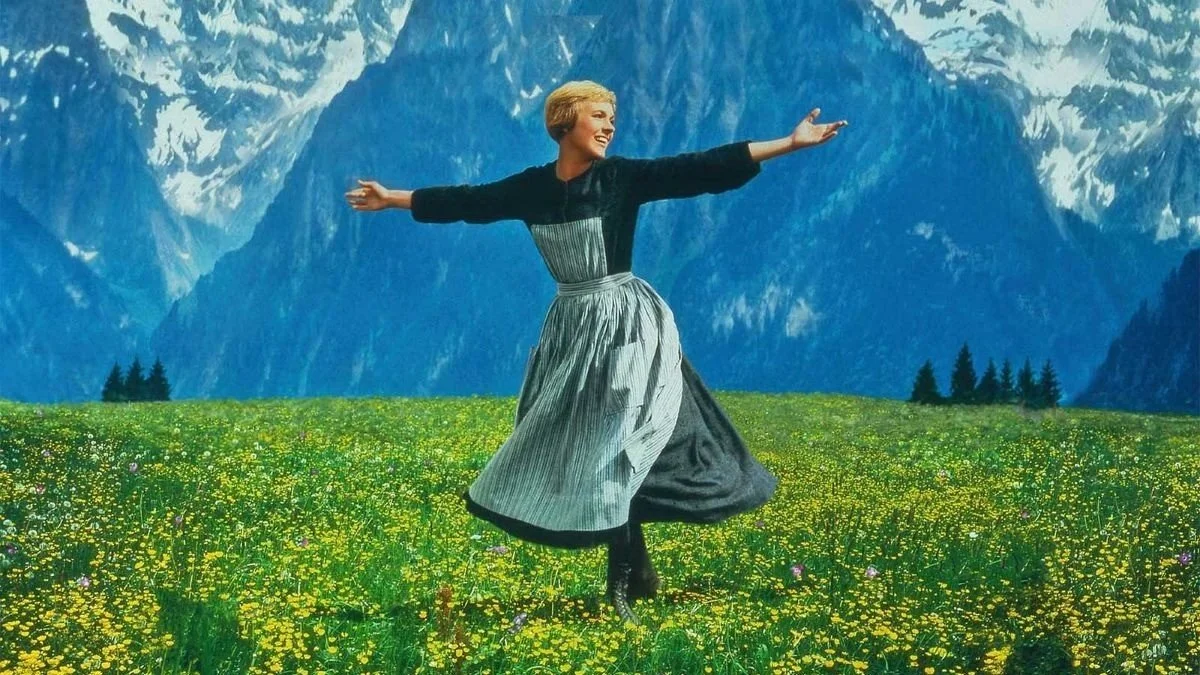
If you find yourself craving a healthier work-life balance, I suggest trying to schedule more of the non-work related activities that bring you joy, such as gardening or spending time with friends. If you live in a country that appears to be sliding deeper and deeper into fascism, here are some prompts to help guide your journey, whether it be a purely internal one of acceptance, or an outward, physical journey, such as trekking over the alps with lots of children wearing lederhosen.
First, what exactly is fascism?
The word has a generally negative connotation and is therefore used as an insult by parties across the political spectrum, so it's understandable if you feel confused. Is it fascist when an art teacher insists that all kindergartners draw rainbows, or is fascism more like when someone exercises their right to free speech in a college newspaper and is later grabbed off the street by people wearing masks and detained in another region of the country for six weeks?
According to Dictionary.com, fascism is "a governmental system led by a dictator having complete power, forcibly suppressing opposition and criticism, regimenting all industry, commerce, etc., and emphasizing an aggressive nationalism and often racism." There's also a 14 point breakdown of fascism published in 2003 by the writer Laurence W. Britt, or, kind of like how there was a workout for "8-minute abs" and then one for "6-minute abs," if you want a list with fewer points (but still written by someone whose name contains the letters "Britt") Luis Britto García cuts it down to just 10!
So, how to know when it's time? Consider the following prompts to help get you unstuck in your decision making process:
Now that you know what fascism is, ask yourself: Is my country now, or will it likely soon be, fascist? If not, problem solved! If so, proceed.
Using the famous "First they came for..." quote by pastor Martin Niemöller as inspiration, make your own list of people who "they" have already come for in your country. Consider: Is your group, or any groups of people who you care about, on that list? If so, time to go! (If you still can, that is.)
Make a list of all the things you'd like to do before you flee your country, such as watering your plants or sewing valuables into the hems of your clothing. Now think about all of the things you'd have to endure if you stay put. Hmm, which is the bigger hassle?
Ok, let's say that you do have to flee. How exactly would you do it? Do you have the physical and emotional stamina, social connections, survival and first aid skills, and/or resources to make it happen? If not, looks like you're staying put!
Imagine things get worse and worse, as they tend to, at least in the short term. How much are you willing to bear? For instance, how will your quality of life be impacted by food shortages, bursts of violence, or that all-powerful "suppressing opposition and criticism, regimenting all industry, commerce, etc., and emphasizing an aggressive nationalism and often racism"? Think you can handle that? If not, it could be time for a plan b.
Will you be a target of that violence? If not, how much are you willing to stick your neck out for those who are? Who are the stakeholders in you sticking your neck out, such as friends and family members? What will the consequences of your actions be for them? Alternately, how well do you think you will sleep at night if you don't stick your neck out? Poor sleep is certainly something you may wish to avoid!
If you're still not sure, think about it this way: Is leaving the country your only option? For instance, could you instead go into hiding for as many years as it takes, or stay and fight for the rights of those who are at higher risk than you?
And finally, is there anything you can do now to ensure that your country - or another - doesn't get any more fascist?
Hopefully this LinkedIn article has helped you determine what you want to do about the current situation in your country. And hopefully you've picked up on my ironic tone, which I will now drop. Humor is essential even in dark times, and like any art form, it can also be a powerful tool of resistance - see the back of Woody Guthrie's guitar, which read "This machine kills fascists." But as the grandson of holocaust survivors, to me, my central question of when to stay and when to go is no laughing matter.
My family history is such: On the eve of the Nazi invasion of Poland, my grandmother and her sisters decided it was time to leave. The rest of the family was not convinced, and as she left for the train station, her parents begged her to return for the family meal waiting back at home. She and her sisters fled to the Soviet Union, where they were promptly arrested for illegally crossing the border and sent to a gulag in Siberia. That frigid, lice infested labor camp saved my grandmother's life: her brothers, parents, and all the rest of the family who chose not to leave were soon killed, so for my father, any family beyond his parents' generation simply did not exist. Not that they were passive - we're told my grandmother's brother died in the line of duty as a resistance fighter. Who made the right choice: her or him?
One of my grandmother's legacies in our family was her lasting admonishment not to wait too long. And so it was with no small amount of adrenaline that I opened up the New York Times the other day to find the opinion piece, written by three seemingly smart people, titled "We Study Fascism, and We're Leaving the U.S." The thought may have crossed my own mind, and I've certainly been watching with no small degree of vigilance as various canaries in the coal mine have dropped, but it was something else to see it written so explicitly. The fact that the piece ends with a rallying call to support the media, thereby serving as something of an advertisement for the publication itself, was only the slightest of comforts.
I wrote this piece to help others who are wrestling with the question of "Is it time to go?" If you've ever found yourself asking this question, I hope doing so grants compassion towards anyone who shows up in your country because they decided they needed to leave their own. It's a difficult question, but a more common one than many of us may realize - countless people around the world ask themselves this question on a regular basis, and have for all time, hence the phenomenon of migration.
It's an important question to think about - perhaps the most important - and yet it's not an easy one to broach while hanging out with friends or before saying goodnight to one's partner. I hope you can feel supported in asking questions like this in safe, productive spaces so that you can gain clarity about the situation you're in and what you may be able to do about it.
If you need help with that, let me know.
